Saving Teeth for the Long Term: Good News for Patients with Gum Disease

Severe gum disease is one of the leading causes of tooth loss in adults. Many people assume that once teeth become loose or are badly affected by gum disease, they will eventually need to be removed. However, a new study offers encouraging news.
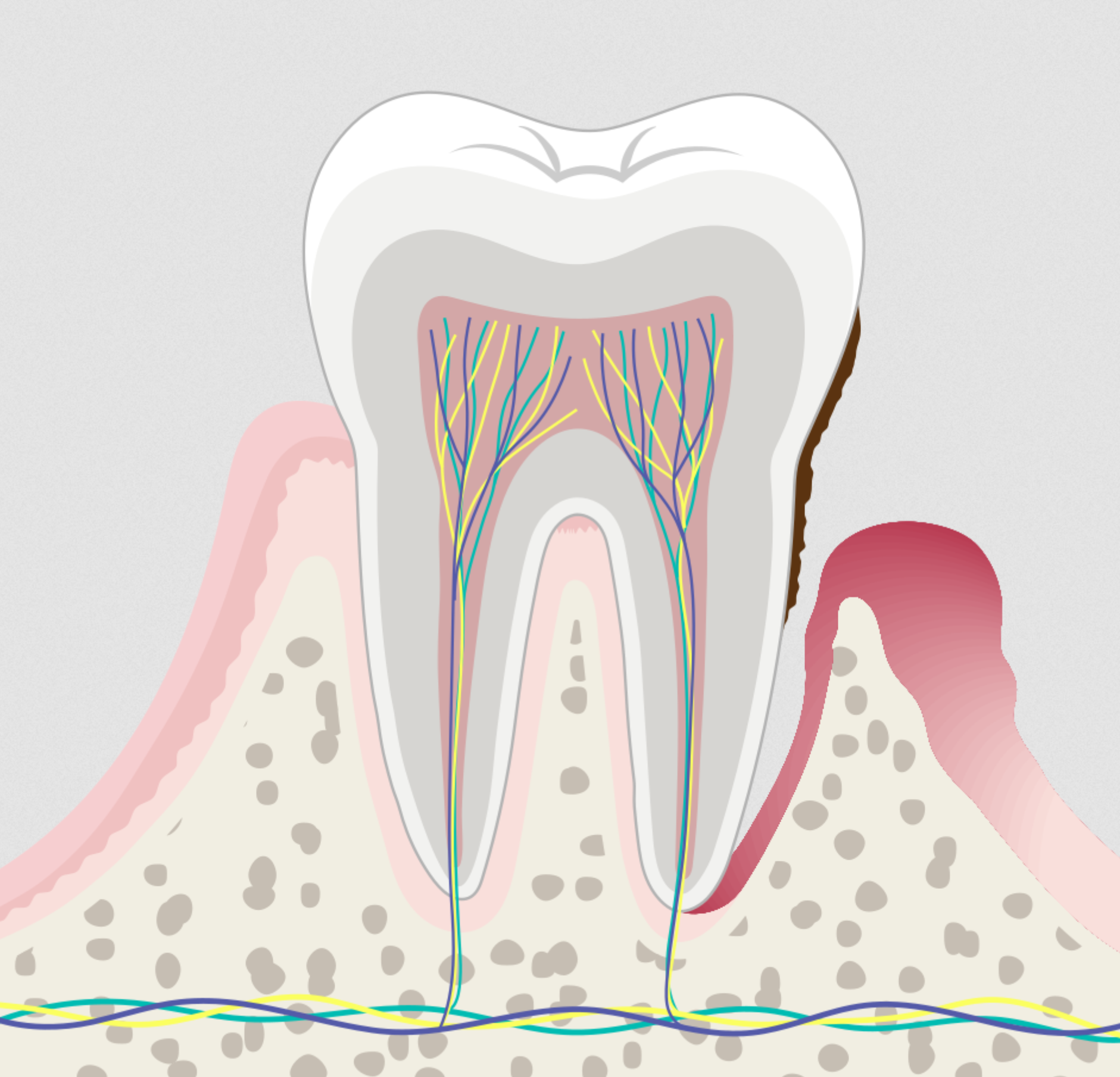
Howe, M., Richards, D., Ten-Year Survival of Posterior Teeth in Patients with Periodontitis Following Systematic Periodontal Treatment: A Systematic Review and Meta-analysis Using Only Open-Access Evidence and Analytic Tools, J Dent (2025) 106299. https://doi.org/10.1016/j.jdent.2025.106299.

We reviewed the results of more than 90,000 teeth from patients who had received treatment for gum disease and continued to attend regular maintenance appointments. They found that almost 9 out of 10 back teeth were still present 10 years later, showing that many teeth can be saved for the long term with the right care.

The study also found that premolars (the smaller back teeth) tended to survive longer than molars, which are larger teeth at the very back of the mouth. This is probably because molars have more complex roots, are harder to clean, and are subjected to greater chewing forces.

One of the study’s unique features was its use of only free, open-access research papers and freely available analysis tools. The results closely matched previous studies that had access to expensive subscription-only journals. This suggests that high-quality dental research can be conducted using freely available scientific information, thereby making evidence-based dentistry more accessible to clinicians worldwide.


The researchers also emphasised that success depends on more than the treatment itself. Regular dental visits, good brushing and cleaning between the teeth, avoiding smoking, and controlling health conditions such as diabetes all play an important role in keeping teeth healthy.

The message for patients is reassuring: even if you have experienced gum disease, losing your teeth is not inevitable. With modern periodontal treatment, good home care and ongoing professional maintenance, many natural teeth can continue to function well for many years.

Looking Beyond Individual Teeth: A New Way of Thinking About Dental Treatment

Swirling blue and white luminous abstract waves on a dark background

When individuals require extensive dental treatment, dentists typically have several options, including fillings, crowns, bridges, root canal treatments, and dental implants. While there is substantial knowledge about the lifespan of each treatment individually, estimating how well an entire mouth of restored teeth will perform over the years has remained challenging.

My latest research, published in the Journal of Dentistry, introduces an innovative concept, the Restorative Dental Prognosis Index (RDPI). Instead of predicting exact outcomes for patients, the RDPI provides a structured approach for dentists to assess the long-term outlook for the entire mouth.

Howe, M.S., Richards, D. “Conceptual Development of a Restorative Dental Prognosis Index: A Proof-of-Concept Framework Integrating Survival Evidence and Restorability Assessment.” J Dent 173 (2026) 106849. https://doi.org/10.1016/j.jdent.2026.106849

How the RDPI Works

The process is straightforward: each restored tooth is assigned a simple rating—good, uncertain, or poor—based on its overall condition and relevant research regarding the longevity of similar treatments. By evaluating all teeth collectively, dentists can create a clearer picture of a patient’s overall dental health compared to the traditional method of analysing each tooth in isolation.

The Impact of Individual Teeth

The study emphasises that even if most restorations are likely to last many years, the presence of one or two weaker teeth can significantly affect the long-term success of the entire mouth. This insight encourages more informed discussions between dentists and patients about the benefits, risks, and likely maintenance needs associated with different treatment options.

Moving Towards Evidence-Based Discussions

We clarify that the RDPI is not intended to serve as a crystal ball predicting the future with absolute certainty. Rather, it represents a significant step forward in developing a more consistent, evidence-based methodology for discussing dental prognosis.

If future research confirms its efficacy, the RDPI could empower dentists to explain treatment options more clearly, promote shared decision-making with patients, and facilitate the creation of treatment plans that are technically successful, realistic, affordable, and built to last.