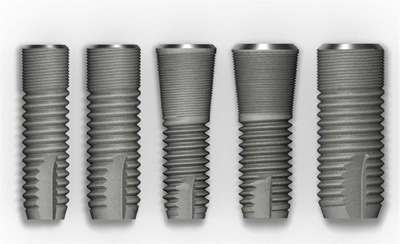
How much do dental implants cost ?

20131208-151541.jpg

The number one question on Google Trends reference dental implants is cost. After a few seconds of searching around it is quite easy to see why. I found a ten fold variance in estimated cost from £320 to £3000.

I will not get involved in how good or bad these implants are. I am sure there are some fantastically good inexpensive implants out there and some expensive disasters. All I want to do is clear up some of the cost issues and clarify some information on the websites out there is cyberspace.

1. “Not all implants/dentists/patients are the same”.

2.The premium priced implants will usually belong to the large companies such as Astra, Straumann and NobelBiocare etc. these companies pioneered almost all the research and development of implants and have excellent global support and after-care. The less expensive systems can involve generic copies and clones specific to only certain countries. Product quality and customer support for these products can be variable and some would be illegal to use in the EU.

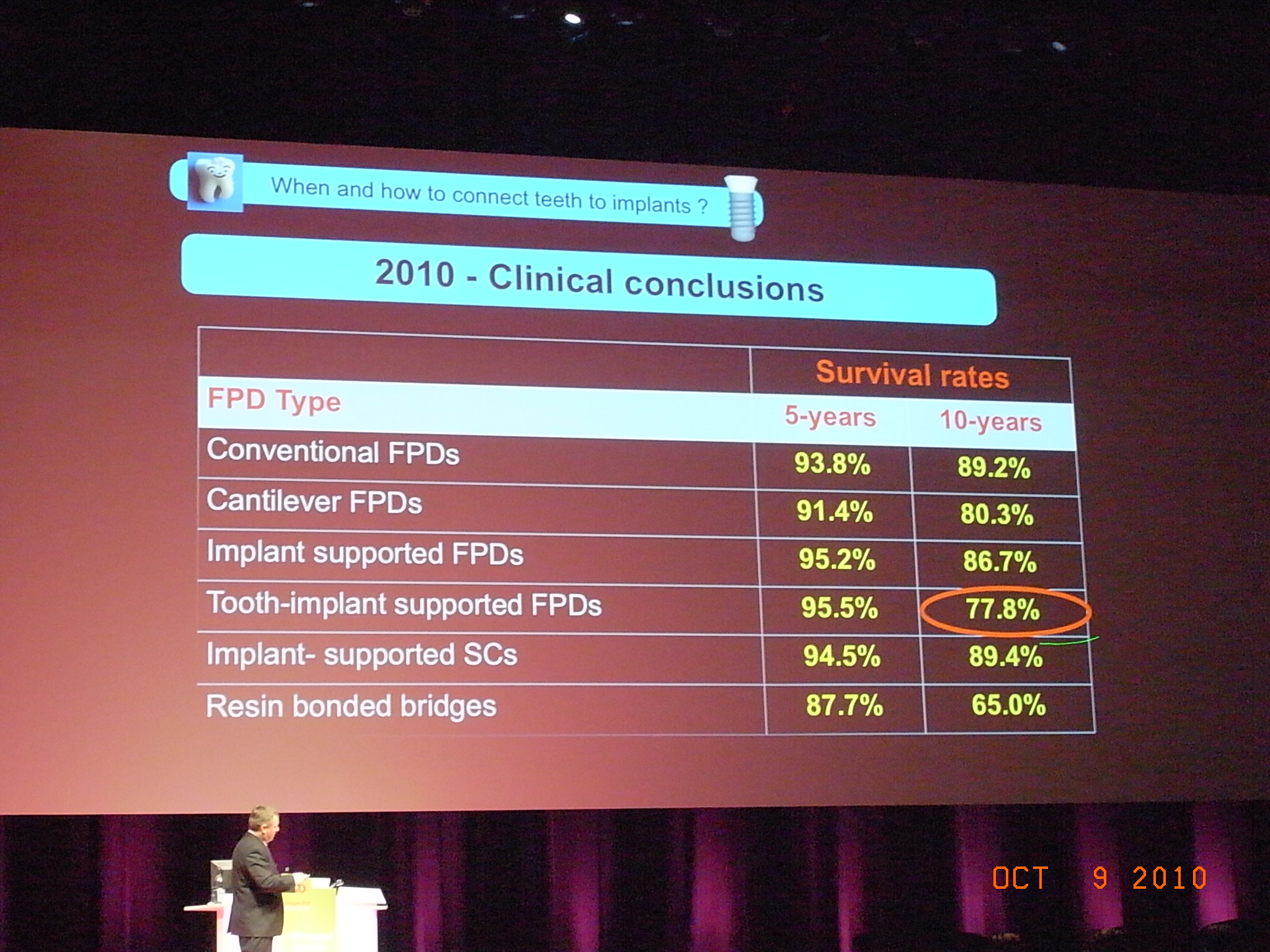
3.Beware of overstated claims of success that exceed the published research. As a rule of thumb in an ideal world 10 year success should be around the 90% mark at best.

4. You will need to differentiate between a clinic that does implants and a dentist who does implants. How long has the dentist worked at that practice and how many days a month are they there to deal with any problems. There is a running joke in the profession which goes ” If you want super high success rates and no complications then move your practice every 18 months. Success improves even more if you move country”. There are a lot of advantages in seeking out a stable practice enviroment because implants throw up a lot of complications  especially after 5 years in place, you don’t want to find your dentist has moved on.

5. It’s not how many implants you can place in a patient’s mouth but how few will get the job done well. I have seen patients with 11 implants where 2 would have done an equally good job. Make sure all sensible alternatives to implants have been discussed and potential complications and additional expenses covered.

6.Make sure  you treatment plan makes sense and get a second or third opinion and research the subject very carefully.

7. A polo pony breeder once told me ” A polo pony is expensive and a bad polo
Continue reading

How well do different treatments perform?

How successful are your treatment options

I have compiled a short list of risk relating to advanced dental treatment. Most marketing material relating to dentistry tends to only show success and how they will improve you health, well being and looks. What they don’t mention is the how long that treatment is going to last and the risk of it not working. It is extremely important that the patient can make an educated decision with their dentist as to the amount of risk they are prepared to accept before staring any advanced dental treatments

The figures are given in terms of Success

Implant placement (after 5 years)

Implant retained crown/bridge 96 in 100 at 5 years

Conventional crown and bridge

Back teeth 95 in 100 at 5 years

Front teeth 86 in100 at 5 years

Resin bonded bridge 87 in 100 at 5 years

Post retained 80 in 100 at 5 years

Treatment to resolve gum disease

Non surgical gum treatment 90 in 100 at 5 years

Surgical gum treatment 80 in 100 at 5 years

Root fillings

Root fill + crown (back tooth) 93 in 100 at 5 years

Root fill only (back teeth) 75 in 100 at 5 years

If you want to read further follow this link to Evidence Based Dentisty

Click to access 6400565a.pdf

EAO Conference 2010

EAO 22nd Scientific Meeting Dublin

The European Association for Osseointegration meeting opened on Wednesday evening in Dublin, Ireland . The conference theme being ‘Preparing for the Future of Implant Dentistry’.

Famine Ship - Jeanie Johnston Dublin
Famine Ship – Jeanie Johnston Dublin

On the Thursday morning we started with a presentation about the importance of maintaining the bone supporting the teeth and gums after extraction. In a normal extraction we lose 50% of the supporting bone within 4 months. This volume of bone loss can make it difficult to restore the missing tooth later both functionally and aesthetically. Bone loss can however be reduced to about 20% with the immediate use of bone substitutes placed in the extraction socket at the time of extraction making speeding up healing and  future restoration of the space more predictable.

The afternoons title was ‘Treatment planning for success-how to get in right.’ and was presented by Dr Mark Pinsky a dentist who is also a commercial airline pilot. The theme revolved around the adoption of airline style checklists to reduce errors in surgery. As a side note we have been using these checklists in the practice for the past two years already and find them extremely useful as treatments and patients medical histories get more complex.

Exif_JPEG_PICTURE

Friday morning we discussed the increasing problem of infection round dental implants and whether it was an infection or just the body trying to reject the implant, the conclusion was that more research needed to be done into this area but both factors were to a degree responsable.

The afternoon covered treating patients with long-term loss of upper back teeth from a quite minimalist approach to major surgery for cancer patients.

By far the most interesting series of lectures was on saturday morning titled ‘Implants in the Aging population’. In a lot of Western countries there are more over 65 year olds than 5 year olds and we discussed the problem of how to manage dental health in the age group 80-100. In fact the population of 100 year olds will increased by 400% in the next 25 years. The biggest problems were dental health, retaining unhealthy teeth into old age and long-term chronic illness. Though this subject is not a political vote winner we do need to acknowledge its existence and positively take charge of the challenges it presents. One strategy was the use of a single implant to stabilise a lower denture which over 10 years has dramatically improved patients quality of life at a significantly reduced cost and level of intervention.I have always found the Saturday morning lectures to be the most thought-provoking and applicable to the real world of dental health.

Trinity College Library - Dublin
Trinity College Library – Dublin