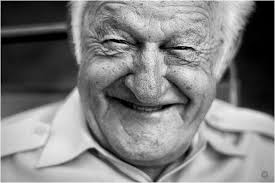
 One challenge to our future healthcare system will come from the care requirement of frail patients living in residential care. Data suggests that the size of the UK population aged over 65 will rise by 60% to 16 million over the next 25 years, 5% being over 85 years old (Batchelor 2015). 80% will end up live in some form of residential home, being looked after by professional staff rather than family members (Broad et al. 2013). Two major barriers exist:
- Residents responsive behaviour – defined as physical or verbal actions, such as grabbing, screaming, and resisting care, in response to a negatively perceived stimulus.
- Residents lack of motivation or ability to perform their own oral hygiene.
The objective of this review is to evaluate the effectiveness of strategies that nursing home care providers can apply to either prevent/overcome residents’ responsive behaviours to oral care, or enable/motivate residents to perform their own oral care.
Methods
The review followed the PRISMA statement (the protocol was also registered on the International Prospective Register of Systematic Reviews (PROSPERO) database. Searches were carried by two independent researchers using Medline, Embase, Evidence Based Reviews-Cochrane Central Register of Controlled Trials, CINAHL, and Web of Science. Databases were searched up to April 2016 with no language restrictions, and manual searches were also carried out in the relevant major journals.
Inclusion criteria were as follows: Qualitative observational studies and mixed-methods studies including reviews relating to strategies that formal care providers can use to motivate oral health care and overcome responsive behaviour for frail older adults in residential care. Exclusion criteria were non-empirical and qualitative research, healthy or independent residents or care provided by family, students or managers.
Study outcomes were resident’s oral health scores, self-performed oral care, responsive behaviour and level of staff assistance. Quality appraisal was carried out by two independent reviewers using the Quality Assessment Tool for Quantitative studies and Estabrooks Quality Assessment and Validity Tools for Cross Sectional Studies.
Results
- From 7362 records only 7 studies fulfilled the inclusion criteria, four of which report different aspects of one research project. Therefore. 3 prospective cohort studies and 1 cross-sectional study were included.
- Methodological quality was low/moderate for one study and weak for three studies.
- Plaque index scores reduced by approximately 40%
- Bleeding index scores reduced by approximately 35%
- Denture plaque scores reduced by 23%
- Resistance to care reduced by approximately 45%
Conclusions
The authors concluded: –
Potentially promising strategies are available that nursing home care providers can apply to prevent/overcome residents’ responsive behaviours to oral care or to enable/motivate residents to perform their own oral care. However, studies assessing these strategies have a high risk for bias. To overcome oral health problems in nursing homes, care providers will need practical strategies whose effectiveness was assessed in robust studies.
Comments
This review highlights the lack of studies relating to the important issue of oral health maintenance of frail older patients. As our population ages this problem is only going to increase in complexity. Though the results were good but the sample sizes are very small (5,7,13 and 97 patients respectively) and the duration of the study was very short (2-8 weeks).
Other longer-term observational studies not identified in this review of routine care have shown a degrading of oral hygiene irrespective of maintenance regime, and regression to 40% had unacceptable hygiene, high levels of resistance and cleaning being left largely undone with assisted tooth brushing times as low as 16 seconds (Willumsen et al. 2012; De Visschere et al. 2015; Carter et al. 2009). The reasons being increased frailty and cognitive capacity over time with the average patient staying in high dependency residential care for 16 months, compounded with high turn-over of trained care staff. In addition the recent Cochrane review by Albrecht et al (Dental Elf – Oct 10th – 2016):-
found insufficient evidence to draw robust conclusions about the effects of oral health educational interventions for nursing home staff and residents.
Links
Original Post: Dental Elf – June 30th – 2017
Primary paper
Hoben M, Kent A, Kobagi N, Huynh KT, Clarke A, Yoon MN. Effective strategies to motivate nursing home residents in oral care and to prevent or reduce responsive behaviors to oral care: A systematic review. PLoS One. 2017 Jun 13;12(6):e0178913. doi:10.1371/journal.pone.0178913. eCollection 2017. PubMed PMID: 28609476.
Other references
Batchelor, P. The changing epidemiology of oral diseases in the elderly, their growing importance for care and how they can be managed. Age and Ageing, 2015 44(6), pp.1064–1070.
Broad JB, Gott M, Kim H, Boyd M, Chen H, Connolly MJ. Where do people die? An international comparison of the percentage of deaths occurring in hospital and residential aged care settings in 45 populations, using published and available statistics. Int J Public Health. 2013 Apr;58(2):257-67. doi: 10.1007/s00038-012-0394-5. Epub 2012 Aug 15. Erratum in: Int J Public Health. Int J Public Health. 2013 Apr;58(2):327. PubMed PMID: 22892713.
Carter, K.D. et al., 2009. Caring for Oral Health in Australia Residential Care. Australian Institute of Health and Welfare, (48), pp.1–53.
De Visschere L, de Baat C, De Meyer L, van der Putten GJ, Peeters B, Söderfelt B, Vanobbergen J. The integration of oral health care into day-to-day care in nursing homes: a qualitative study. Gerodontology. 2015 Jun;32(2):115-22. doi: 10.1111/ger.12062. Epub 2013 Jun 20. PubMed PMID: 23786637.
Willumsen T, Karlsen L, Naess R, Bjørntvedt S. Are the barriers to good oral hygiene in nursing homes within the nurses or the patients? Gerodontology. 2012 Jun;29(2):e748-55. doi: 10.1111/j.1741-2358.2011.00554.x. Epub 2011 Oct 24. PubMed PMID: 22023222.

 Thoughts on Life and Dentistry